The WSIB offers an extensive array of benefits and services tailored for injured workers. These benefits encompass partial wage loss coverage and assistance with healthcare expenses linked to workplace injuries. Additionally, the WSIB provides support services to facilitate a smooth return to work process.
Benefits and Services Provided by WSIB for Workplace Injuries
Overview:
The benefits and services available to you through WSIB depend on the date of your injury. This section specifically covers the benefits and services offered to workers injured in 1998 or later. If your injury occurred before 1998, a different set of regulations applies to your case, detailed under “Injuries Before 1998.”

Benefits Available for Injuries After January 1, 1998:
- Wages on Day of Injury: Your employer is obligated to pay your regular wages and benefits for the day of your injury.
- Loss of Earnings Benefits (LOE): You may be eligible to receive 85% of your net earnings loss from the day after your injury until either you have recovered, your wage loss ceases, or the WSIB deems that your wage loss should end. LOE benefits are generally provided until the age of 65, unless you were 63 or older at the time of injury, in which case they can be received for up to two years post-accident. The WSIB might review the amount of LOE benefits annually, or in case of significant changes. However, the review cannot occur more than 72 months (six years) after the last review, with certain exceptions.
- Non-economic Loss Awards (NEL): This type of award is designed to acknowledge the permanent impact of your workplace injury on aspects of your life outside of work. The assessment is based on the level of permanent impairment. As of March 30, 2011, new NEL awards are paid as a lump sum, but you have the option to receive larger NEL awards monthly if you choose within 30 days.
- Returning to Work: Both you and your employer should collaborate on your return to work. If you cannot resume your pre-injury position with your employer, WSIB may assist you in preparing for a different role within the same company or re-entering the labor market.
- Re-employment: According to the law, your employer may be required to offer you re-employment after your injury. However, not all employers have this obligation, and certain qualifications and time limits apply. If your employer does not offer re-employment, seek advice from a qualified representative without delay.
- Health Care: WSIB covers necessary and appropriate health care related to your injury, including treatment by medical professionals, prescription medications, and assistive devices. For severe workplace injuries, this may extend to the services of an attendant to aid with daily activities, modifications to your home for independent living, or other enhancements to improve your quality of life.
- Employment Benefits: If you continue contributing to your regular employment benefits like dental or pension plans, your employer is required to do the same for the first year you are off work due to the injury.

- Retirement Benefits: If you are under 64 at the time of your injury and receive LOE benefits for more than 12 consecutive months, you become eligible for a retirement benefit at age 65. This benefit is paid by WSIB from a percentage of your LOE benefits set aside for this purpose.
Workplace injuries can happen to anyone, regardless of the industry or job type. When such incidents occur, it’s essential to know your rights and the available benefits and services to help you recover and get back on your feet.
Also read: Selecting and Utilizing Compression Stockings Effectively
Understanding Workplace Injuries
Workplace injuries encompass a wide range of incidents, from minor accidents to severe, life-altering events. These injuries can result from slips and falls, machinery accidents, exposure to harmful substances, repetitive motion, and more. Regardless of the cause or severity, employees have rights and access to resources to help them recover.
Worker’s Compensation
One of the primary benefits available to individuals who sustain workplace injuries is worker’s compensation. Worker’s compensation is a system that provides financial support and medical benefits to employees injured on the job. Key aspects of worker’s compensation include:
- Medical Coverage: Worker’s compensation typically covers all necessary medical expenses related to the injury, including doctor’s visits, hospital stays, surgeries, and medications.
- Disability Benefits: If the injury results in temporary or permanent disability, worker’s compensation provides compensation to replace lost wages during recovery or for ongoing support.
- Vocational Rehabilitation: In cases where the injury prevents an employee from returning to their previous job, worker’s compensation may cover vocational rehabilitation to help them acquire new skills and find alternative employment.
- Death Benefits: In tragic cases where a workplace injury leads to the death of an employee, worker’s compensation may provide benefits to the employee’s dependents or beneficiaries.
Occupational Health and Safety Programs
Many workplaces have occupational health and safety programs in place to prevent accidents and injuries. These programs focus on identifying and addressing potential hazards, providing safety training, and promoting a culture of safety within the organization. If you believe your workplace lacks proper safety measures, you can report concerns to relevant authorities or unions to initiate necessary changes.

Employee Assistance Programs (EAPs)
Employee Assistance Programs (EAPs) offer confidential support services to employees facing personal or work-related challenges, including workplace injuries. EAPs may provide counseling, mental health support, and resources to help employees cope with the emotional and psychological aspects of their injuries.
Legal Services
In some cases, workplace injuries may involve legal complexities, especially when dealing with disputes over compensation or liability. Seeking legal counsel from an experienced workers’ compensation attorney can help injured workers navigate the legal process and ensure they receive the benefits they are entitled to.
Advocacy Groups and Nonprofits
Various advocacy groups and nonprofit organizations are dedicated to supporting workers’ rights and safety. These organizations offer resources, information, and advocacy to help injured workers access the benefits and services they need. Examples include the Occupational Safety and Health Administration (OSHA) in the United States and similar agencies in other countries.
Workplace injuries can have a profound impact on individuals and their families. However, knowing your rights and understanding the available benefits and services can make a significant difference in the recovery process. Whether it’s worker’s compensation, occupational health and safety programs, employee assistance programs, legal services, or advocacy groups, these resources are designed to provide the necessary support and protection for workers who have been injured on the job. By being informed and proactive, you can navigate the challenges of workplace injuries more effectively and work towards a successful recovery.
WSIB: Addressing Workplace Injuries
No job can guarantee complete safety. While certain occupations carry higher risks than others, all jobs entail some potential for injury. Even office workers face the risk of conditions like carpal tunnel syndrome for WSIB.
At Main Street Health, we provide extensive rehabilitation services that ensure a secure and sustainable return to work following a work-related injury, right within our facility.
WSIB: What to do if you get injured at work?
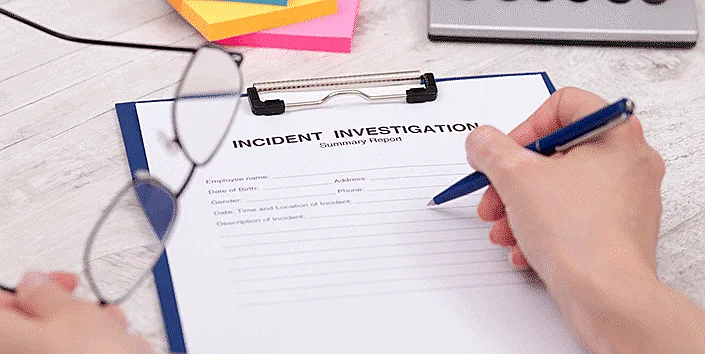
- Immediate Reporting: No matter how minor the work-related injury may seem; it is crucial to promptly report the incident to both your employer and the Workplace Safety and Insurance Board (WSIB).
- Contact Main Street Health: Seek a complete workplace injury assessment at Main Street Health without delay. This step is vital to safeguard your health and protect your legal rights.

The Importance of Professional Assessment:
Not all injuries manifest immediate symptoms. Conditions like whiplash or concussion may take hours or even days to show signs. Additionally, soft tissue injuries might not appear on x-rays and may not always be accompanied by visible cuts or bruises. Hence, seeking a professional assessment after any workplace accident is essential.
Assistance with Workers’ Compensation (WSIB) Claim:
Main Street Health, a full-service clinic in Hamilton, provides multiple therapies under one roof for your convenience during rehabilitation. Our staff is readily available to help with the paperwork associated with your workers’ compensation benefits. If needed, we can even provide you with the names of work injury lawyers.
Direct Billing and Specialization:
As a Qualified Partner with various leading insurance companies, we offer direct billing, which may mean no upfront payment for you, depending on your plan. Our expertise lies in workers’ compensation and rehabilitation, and we have treated a wide range of work-related diseases and injuries, including industrial accidents, construction accidents, motor vehicle accidents, slips and falls, joint pain, muscle aches from overexertion, carpal tunnel syndrome, and repetitive stress injuries.
Personalized Work Hardening Program:
Our therapists excel at developing individualized, goal-oriented work hardening programs for a safe and sustainable return to work. These programs include job-specific exercises, overall conditioning, and education on your injury and preventive measures for the future workplace.
Also read: Bachelor of Science with Honours in Physiotherapy
Braces and Mobility Aids:
As part of our comprehensive rehabilitation program, Main Street Health offers a selection of assistive devices, including knee braces, ankle braces, wrist braces, shoulder braces, and mobility aids such as canes and wheelchairs.
Book your occupational injury assessment and begin your personalized therapy program with us today.
Workplace injuries can be physically, emotionally, and financially devastating for both employees and employers. Fortunately, many countries, including Canada, have established programs to provide support and assistance in such situations. In Ontario, the Workplace Safety and Insurance Board (WSIB) plays a pivotal role in addressing workplace injuries and ensuring the well-being of injured workers. In this blog post, we will explore the WSIB and its crucial functions.
Understanding WSIB
The Workplace Safety and Insurance Board (WSIB) is an Ontario government agency responsible for overseeing workplace safety and providing compensation to workers who are injured on the job. Its primary mission is to promote safe work practices and provide financial and healthcare benefits to workers who suffer workplace injuries or illnesses.
Key Functions of WSIB
- Compensation for Injured Workers: WSIB provides financial support to workers who have sustained injuries or developed occupational illnesses in the course of their employment. This compensation covers various aspects, including medical expenses, lost wages, and vocational rehabilitation.
- Safety Regulation and Compliance: WSIB works to establish and enforce workplace safety regulations. Employers are required to comply with these regulations to ensure the safety of their employees. WSIB conducts inspections, provides safety resources, and offers guidance to employers to help create safer workplaces.
- Return-to-Work Programs: To assist injured workers in returning to the workforce, WSIB offers return-to-work programs. These initiatives aim to help injured employees regain their abilities, acquire new skills if necessary, and find suitable employment within their physical limitations.
- Healthcare Services: WSIB provides access to medical and healthcare services required for the treatment and rehabilitation of injured workers. This includes coverage for doctor visits, surgeries, therapy, and medications related to the workplace injury or illness.
- Benefits for Survivors: In tragic cases where a workplace injury results in the death of an employee, WSIB provides benefits to the deceased worker’s dependents or beneficiaries.
Reporting Workplace Injuries
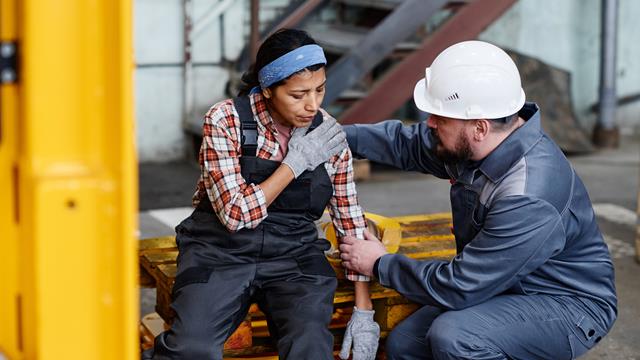
One of the most critical aspects of WSIB’s work is the timely reporting of workplace injuries. Both employers and employees have responsibilities in this regard:
- Employers: Employers are required by law to report workplace injuries and illnesses to WSIB. This reporting helps initiate the compensation process and ensures that injured workers receive the necessary support.
- Employees: Injured workers should promptly report their injuries to their employers. Timely reporting ensures that medical attention is provided promptly and that the injury is properly documented for WSIB claims.
The Importance of Workplace Safety
While WSIB plays a vital role in addressing workplace injuries, prevention remains the best strategy. Employers, employees, and regulatory bodies must continue to prioritize workplace safety. Proactive measures, such as safety training, hazard assessments, and the promotion of a safety culture, can significantly reduce the occurrence of workplace injuries.
Conclusion
The Workplace Safety and Insurance Board (WSIB) in Ontario, Canada, is a crucial institution that serves as a safety net for workers who experience workplace injuries or illnesses. By providing financial support, healthcare services, and safety regulations, WSIB aims to ensure that injured workers receive the assistance they need to recover and reintegrate into the workforce. However, it is equally important for both employers and employees to take proactive steps to prevent workplace injuries in the first place. A safe workplace benefits everyone and reduces the need for WSIB’s services, ultimately promoting the well-being of all workers in Ontario.


