
Compression stockings serve various purposes, offering both comfort and performance enhancement in sports while also playing a significant role in preventing severe medical conditions.
Primarily, their main benefit lies in enhancing blood flow, which can effectively reduce pain and swelling in the legs. Moreover, they play a crucial role in lowering the risk of developing deep vein thrombosis (DVT) – a type of blood clot – and other circulatory issues.
These stockings are available in diverse sizes and strengths, making it essential for you or your doctor to carefully choose the most suitable option that aligns with your specific needs.
What Are Compression Stockings?
Compression stockings are specialized, snug-fitting, and stretchy socks designed to gently apply pressure to your legs. They come in two forms: graduated compression stockings, which are tighter around the ankle and gradually loosen as they move up the leg, and compression sleeves, which only cover the leg without the foot.
Where to Get and its Cost:
Compression stockings can be purchased over the counter or prescribed by a doctor. Some insurance plans may cover the cost if prescribed. They are available at medical supply companies, online stores, and various drugstores. The price can range from around $10 to as much as $100 per pair, depending on the type and quality.
Who Should Use These Stockings?
Compression stockings are recommended for individuals with circulation issues, such as deep vein thrombosis (DVT), varicose veins, or diabetes. They are also beneficial for post-surgery recovery, individuals with limited mobility or bedridden patients, people who stand for long periods at work, athletes, pregnant women, and frequent flyers like pilots.
How Do Compression Stockings Work?
They apply pressure to the legs, aiding blood vessels in working more effectively. Arteries carrying oxygen-rich blood to muscles can relax, promoting better blood flow, while veins receive added assistance in pushing blood back to the heart. These stockings can reduce leg fatigue, alleviate swelling in the feet and ankles, and help prevent and treat spider and varicose veins. Additionally, they can aid in preventing dizziness or lightheadedness upon standing and reduce the risk of blood clots by preventing blood from pooling in the veins.
Types of Compression Stockings:
- Graduated Compression Stockings:
- Offered in a range of tightness levels.
- Tighter around the ankles, gradually loosening as they move up the leg.
- Thrombo-Embolic Deterrent (TED) Hose or Anti-Embolism Stockings:
- Designed for post-surgery or bedridden individuals to maintain blood circulation and reduce severe swelling.
How to Pick Compression Stockings:
Select the type and length that best suits your needs and comfort. The compression level required depends on the condition being treated:
- Low compression (less than 20 mmHg) for comfort and daily wear.
- Medium compression (20-30 mmHg) for those with DVT or varicose veins to control swelling and pain.
- Moderate to high compression (30-40 mmHg) for individuals with severe pain or swelling.
- Firm compression (40-50 mmHg) typically used for severe vein issues or blood clots.
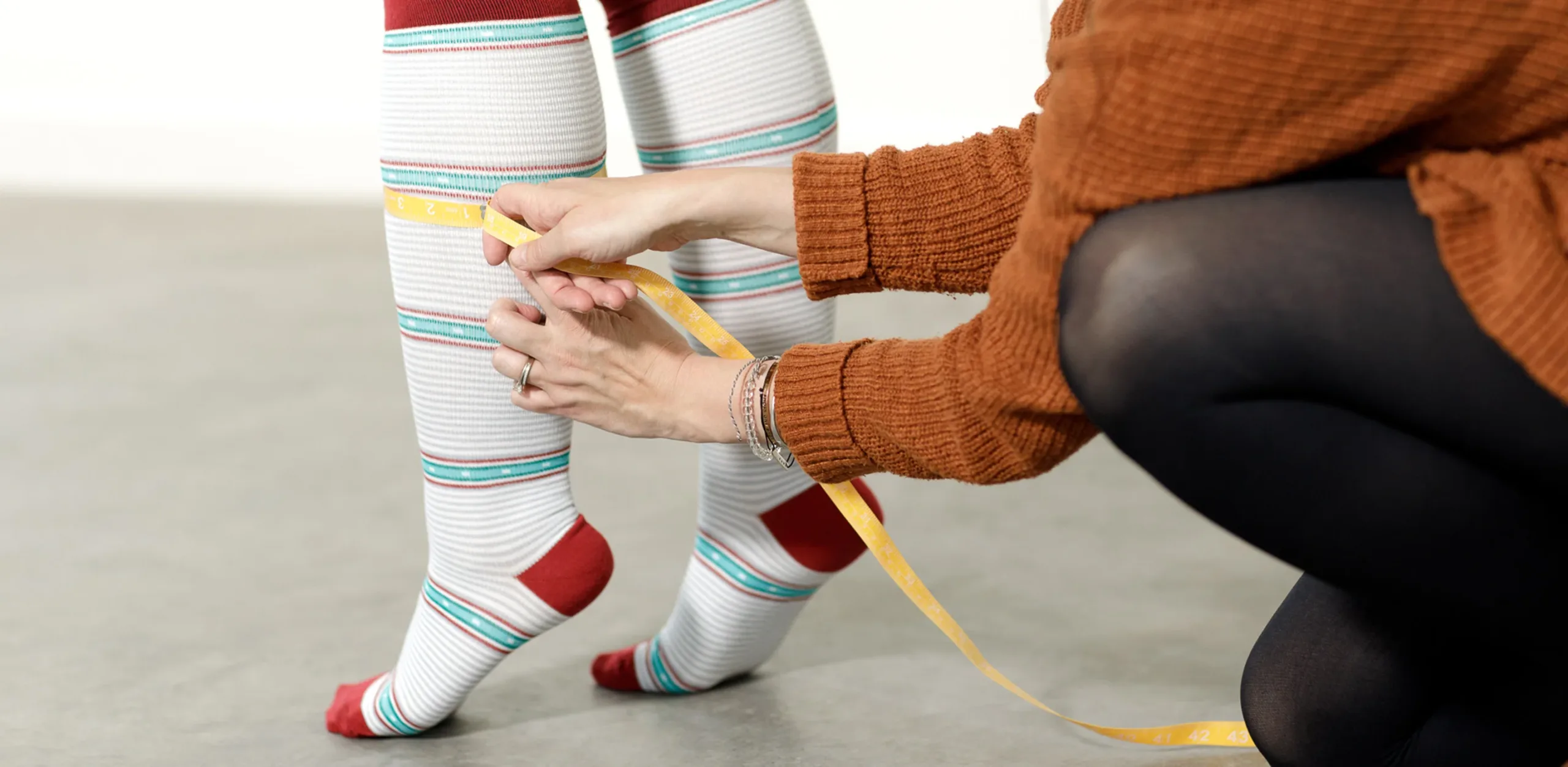
Ensure a proper fit by measuring your ankle, calves, and leg length for thigh-high or waist-high stockings. Medical supply stores can assist with prescription-grade compression wear and proper measurements.
How to Wear Compression Stockings:
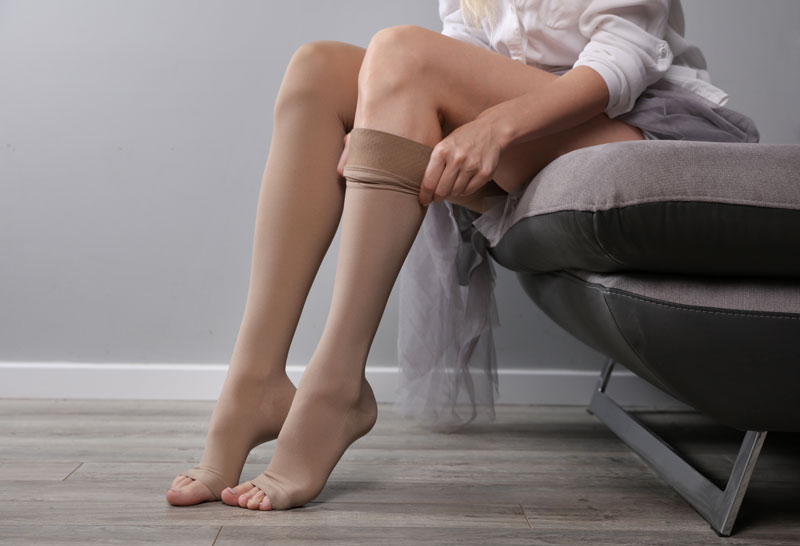
Smoothly apply the stockings, avoiding any bunching. Avoid folding or rolling the tops down to prevent excessive tightness. Compression stockings can be worn while showering or bathing, and regular socks, slippers, or shoes can be worn over them. Follow your doctor’s advice regarding the duration of wear.
Tips for First-Time Users:
- Put on the stockings in the morning when legs are less swollen.
- Use rubber gloves for a better grip during application.
- Avoid wearing jewelry that could snag the stockings.
- Refrain from applying lotion or oils right before wearing them.
- Wash new stockings with mild soap to enhance flexibility.
- Consider having an extra pair in case of damage or dirt.
Note that initial discomfort and soreness are normal when first using stockings, but persistent pain or discoloration should be reported to your doctor immediately.
Compression stockings, also known as socks or hose, are specialized hosiery garments designed to improve blood flow in the legs and lower extremities. They are commonly used for various reasons, including managing conditions like deep vein thrombosis (DVT), varicose veins, and edema, as well as for preventing blood clots during long periods of immobility. In this blog post, we will explore the importance of selecting and using stockings effectively to reap their maximum benefits.
Understanding Compression Stockings
Compression stockings are made from elastic materials that provide graduated compression, meaning they are tighter at the ankle and gradually become looser as they move up the leg. This design helps improve blood circulation by assisting the veins in pumping blood back to the heart and preventing the pooling of blood in the lower limbs.
Also read: Bachelor of Science with Honours in Physiotherapy
Selecting the Right Compression Level
One of the first steps in using compression stockings effectively is selecting the appropriate compression level. Compression stockings come in various compression levels, typically measured in millimeters of mercury (mmHg). The choice of compression level depends on your specific needs and the recommendation of your healthcare provider:
- Mild Compression (15-20 mmHg): These stockings are suitable for individuals who want to prevent leg swelling during long periods of sitting or standing, or for those who experience mild swelling and discomfort.
- Moderate Compression (20-30 mmHg): These are often prescribed for individuals with varicose veins, mild edema, or after certain surgical procedures. They provide a higher level of support.
- Firm Compression (30-40 mmHg): These stockings are recommended for individuals with more severe venous insufficiency, such as chronic venous insufficiency or deep vein thrombosis. They require a prescription and should be used under medical supervision.
Proper Sizing Matters
Compression stockings come in various sizes to ensure a proper fit. It’s essential to measure your leg circumference accurately, especially at the ankle, calf, and thigh, to find the right size. Ill-fitting stockings can be uncomfortable and less effective in providing the necessary compression.
Putting on Compression Stockings
Wearing stockings correctly is crucial for their effectiveness:
- Ensure Your Skin is Dry: Make sure your legs are clean and dry before putting on compression stockings.
- Use Donning Gloves: Donning gloves can help you grip the stocking and prevent damage to the fabric.
- Roll the Stocking Down: Start with the stocking turned inside out and roll it down to the heel.
- Insert Your Foot: Place your foot inside the stocking and gradually roll it up your leg, ensuring that there are no wrinkles or folds.
- Smooth Out Wrinkles: Once the stocking is in place, smooth out any wrinkles or creases to ensure even compression.
Wearing and Maintaining Compression Stockings
To use compression stockings effectively:
- Wear Them Consistently: Compression stockings are most effective when worn consistently. Put them on in the morning before getting out of bed and remove them at night.
- Replace as Needed: Stockings have a limited lifespan. Over time, the elastic fibers can lose their effectiveness, so be sure to replace them as recommended by your healthcare provider.
- Practice Proper Hygiene: Keep your stockings clean by washing them according to the manufacturer’s instructions.
- Be Mindful of Skin Irritations: Pay attention to any signs of skin irritation, redness, or discomfort. If you experience any issues, consult your healthcare provider.
Conclusion
Compression stockings can be valuable tools for managing various vascular and circulatory conditions while promoting leg health. To make the most of them, it’s essential to select the right compression level, choose the correct size, and use them correctly. By doing so, you can experience the benefits of improved blood circulation and reduced leg discomfort, enhancing your overall well-being. Always consult with a healthcare professional for guidance on the most suitable stockings for your specific needs.


