In the pursuit of optimal health and wellness, people are increasingly exploring integrative approaches that combine the best of both traditional and modern medicine. In this blog post, we’ll delve into the powerful combination holistic wellness of acupuncture and dry needling, highlighting the synergistic effects of these two therapies and their potential to promote holistic well-being.
The Complementary Nature of Acupuncture and Dry Needling:
Acupuncture and dry needling may seem distinct in their origins and techniques, but they can complement each other remarkably well. Acupuncture’s focus on restoring the body’s energy balance and promoting overall harmony aligns seamlessly with dry needling’s emphasis on releasing muscle tension and improving physical function.
Holistic Wellness: Addressing Physical and Energetic Imbalances:
By integrating acupuncture and dry needling, practitioners can address both physical and energetic imbalances within the body. While dry needling targets muscular issues and pain, acupuncture can work on a deeper level to restore the flow of energy, supporting the body’s innate healing abilities.
Enhanced Pain Relief and Recovery:
When used together, acupuncture and dry needling can enhance pain relief and recovery outcomes for patients dealing with various health concerns. The combination of these therapies offers a more comprehensive approach to address both the symptoms and underlying causes of discomfort.
Personalized Treatment Plans:
An essential aspect of integrative acupuncture and dry needling is the ability to tailor treatment plans to each individual’s unique needs. Practitioners take into account the patient’s specific health goals, medical history, and current condition to develop a personalized approach that maximizes the therapeutic benefits.

Integrating acupuncture and dry needling opens up new possibilities for achieving holistic wellness. The synergy of these two therapies, with their distinct but complementary focuses, can lead to improved physical, emotional, and energetic well-being. Whether you’re seeking relief from pain or aiming to enhance your overall health, exploring the integration of acupuncture and dry needling could be a transformative step towards a more balanced and fulfilling life.
Understanding Dry Needling: Dispelling Myths and Therapeutic Advantages
Dry needling is gaining popularity as a treatment for various musculoskeletal conditions, but it is often misunderstood or confused with acupuncture. In this blog post, we’ll clarify and understanding the differences between dry needling and acupuncture and explore the therapeutic benefits of this innovative technique that is making waves in the field of physical therapy and rehabilitation.
Also read: Selecting and Utilizing Compression Stockings Effectively
Understanding Dry Needling:
Dry needling is a technique used by physical therapists to treat muscular pain and dysfunction. Unlike acupuncture, which is based on traditional Chinese medicine principles, dry needling is grounded in Western medicine and anatomy.

The Science Behind Dry Needling:
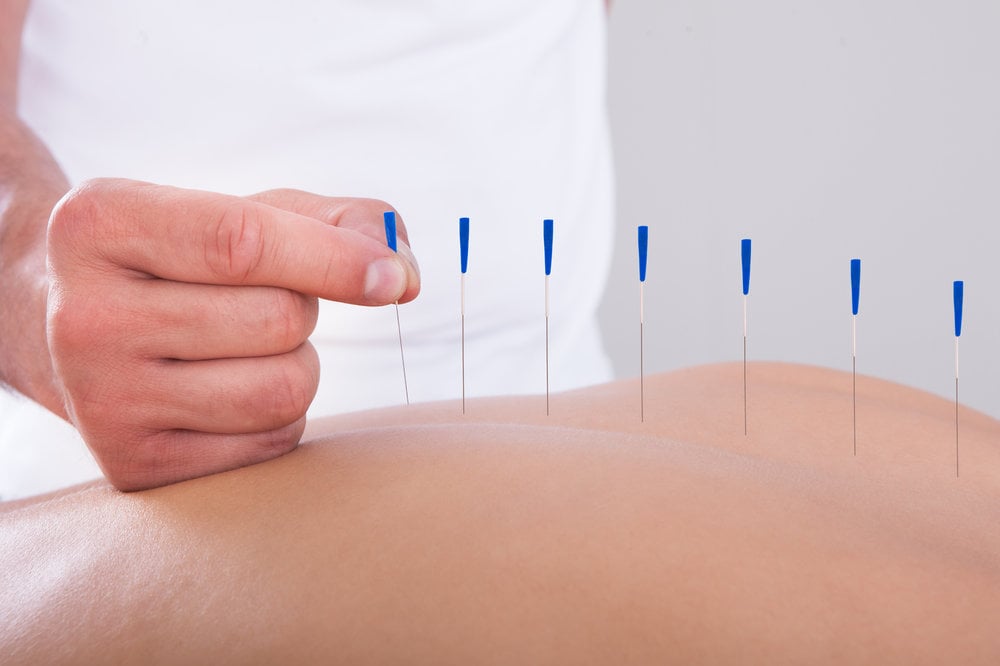
During a dry needling session, thin, sterile needles are inserted directly into trigger points or knots in muscles. These trigger points are areas of tightness and hyperactivity, which can lead to pain, limited range of motion, and muscle dysfunction. By inserting needles into these trigger points, therapists aim to release tension and promote muscle relaxation.
Benefits of Dry Needling:
Dry needling can offer several benefits for those experiencing musculoskeletal issues, such as back pain, neck pain, shoulder pain, and sports-related injuries. It helps reduce muscle tension, improve blood flow to affected areas, and stimulate the body’s natural healing response.
Also read: Bachelor of Science with Honours in Physiotherapy
Complementary to Physical Therapy:
Dry needling is often used as a complementary treatment alongside traditional physical therapy techniques. It can enhance the effectiveness of exercises and manual therapies, helping patients achieve faster and more sustained relief from pain and discomfort.

Dry needling is a scientifically backed therapy that holds great promise for individuals dealing with musculoskeletal pain and dysfunction. When performed by a skilled and licensed physical therapist, dry needling can be a safe and effective tool in alleviating pain and restoring proper muscle function. If you’re looking for a targeted and evidence-based approach to address your muscle-related concerns, dry needling may be the solution you’ve been searching for.


